
Save the Pipevine
On July 24, 2026 UC Berkeley cleared the California pipevine at Strawberry Creek, the Bay Area's largest known breeding stand for the pipevine swallowtail. Here's what happened, what remains, and what we're asking the University to do.
The issue
Update: Friday, July 24, 2026
Excavation has begun and the pipevine has been cut. Heavy equipment is on site and the ground has been cleared and graded. See the photograph and take action →
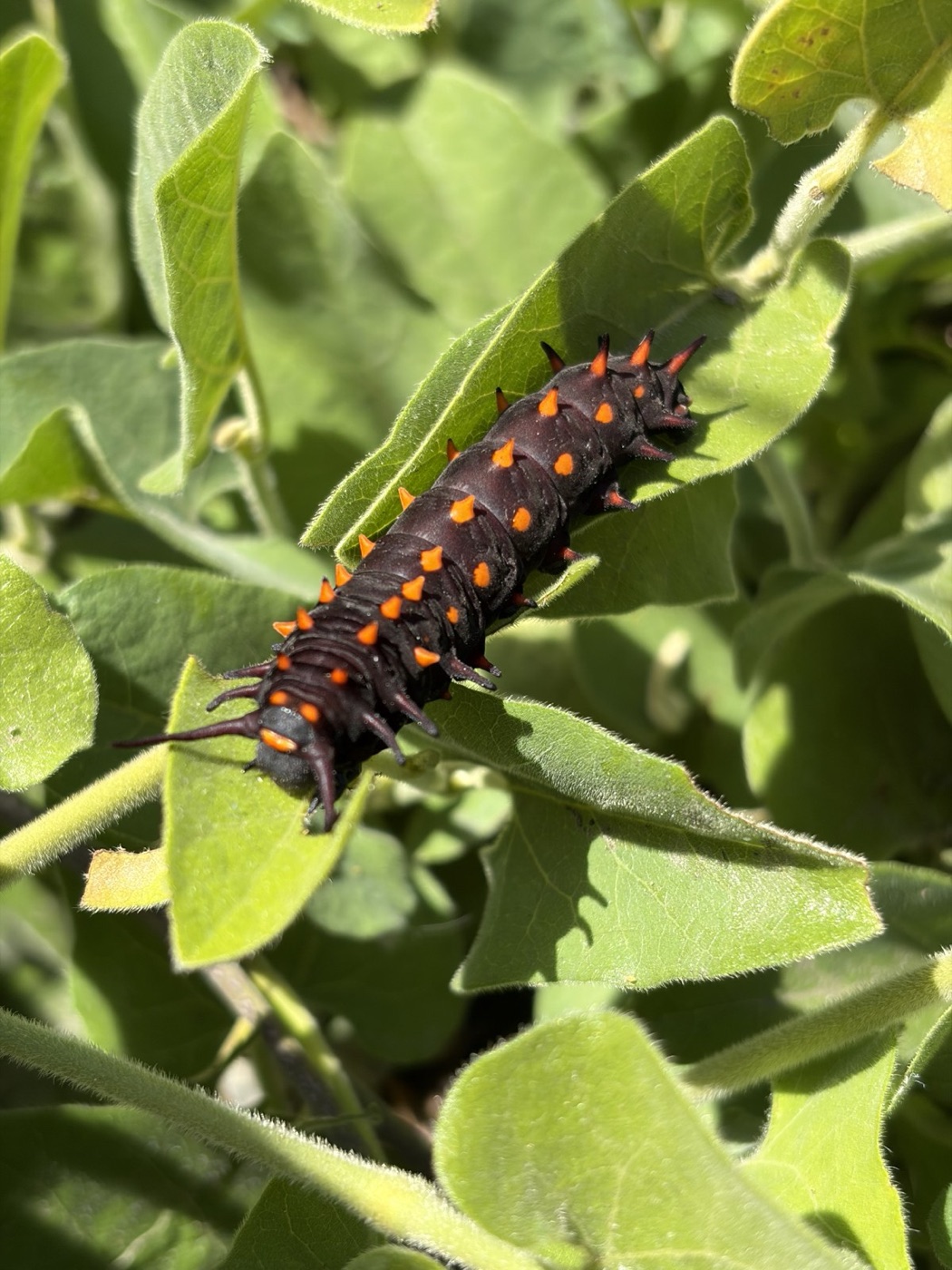
UC Berkeley's construction has now cleared California pipevine (Aristolochia californica) at Strawberry Creek, the largest and most productive known breeding stand of the California pipevine swallowtail (Battus philenor hirsuta) in the Bay Area, where surveys have recorded 1,000 to 2,000 caterpillars in peak months. Pipevine is the sole larval host plant of this butterfly: without it, the butterfly cannot breed here at all.
As seen on CBS News Bay Area
Clean energy construction project at UC Berkeley threatens native butterfly habitat
CBS News Bay Area visited Strawberry Creek to report on the conflict between the campus clean energy project and the pipevine swallowtail habitat. Watch the segment ↗
One vine, one butterfly
California pipevine is a native woody vine with pipe-shaped flowers, and it is the only plant the California pipevine swallowtail will lay its eggs on. No pipevine, no butterfly, which is why a patch of vine along a creek bank decides whether a local population survives.
Read about the pipevine →
Read about the swallowtail →
Our project
We run weekly volunteer restoration sessions at Eshleman Road & South Hall Road, planting pipevine cuttings and seed beside existing habitat and monitoring what survives, working with University facilities staff to find safe planting ground.
Ways to help
Whether you have five minutes or a whole season, there's a way in.
Learn
The vine itself: how to identify it, where it grows, and why everything depends on it.
ReadThe butterfly: its life cycle, its range, and the single-plant relationship that puts it at risk.
ReadAct
The four things we're asking UC Berkeley for, who to email, and a message you can send in a minute.
Email UC BerkeleyFound a chrysalis, a caterpillar, or fresh digging? Send a photo, and the location fills itself in.
Report itWeekly restoration sessions at Strawberry Creek. No experience needed.
See upcoming eventsGrow
The vines that were dug up are still alive. We rooted cuttings from the pile, free, in one-gallon containers: reserve one and collect it at our weekly potting evenings, 5:30 to 7:30pm in Oakland. Or name a creek bank, park edge, or backyard where pipevine would thrive, and our crew plants it this winter.
Get one, or name a spotWe bring the swallowtail's life cycle into classrooms and community groups across the East Bay, free to participating schools.
Explore the programDocument the habitat
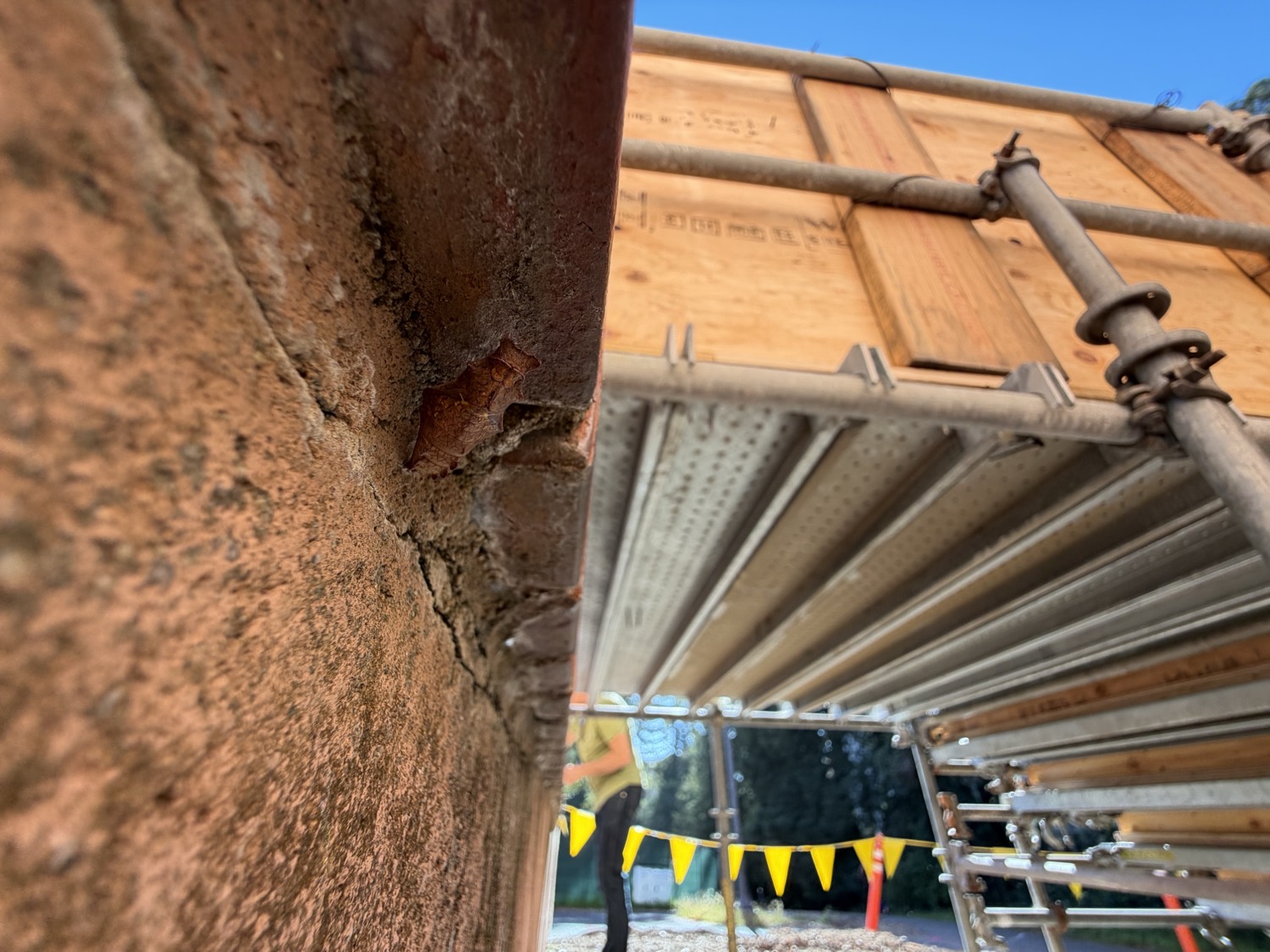
The most useful thing anyone can do right now is find a chrysalis we don't know about. Caterpillars wander off the vine to pupate and the pupa looks like a curled dead leaf on a fence or a wall, so they can't be surveyed for, only stumbled on. One attached in autumn is still there in January, which is when the ground is due to be disturbed.
Photograph what you see and send it through the form. The location and time fill themselves in from the picture wherever your phone recorded them. Caterpillars, adults, plants, and construction disturbance are all worth sending too.
Help us find the chrysalises
Report a sightingPlease photograph, don't touch. Handling a pupa can kill it. Prefer email? Send it to us directly.